
Austin B-2 Visitor Visa Lawyer
Get Clear Legal Support for Your B-2 Visitor Visa
A visitor visa application must clarify your purpose, duration of stay, funding, and intent to return home. Nanthaveth & Associates helps travelers and sponsors get case-specific legal guidance from an immigration lawyer for a B-2 visa before applying, reapplying, or responding to travel concerns.
Schedule a Consultation

We Speak

.svg)
.svg)
.svg)
Immigration Success Stories: Real Client Wins
Consular Processing
A Path to Citizenship via Consular ProcessingWe guided a Cuban citizen through the immigrant visa process while they were in Mexico. After helping them secure a Green Card, we continued to assist them until they became a U.S. citizen and petitioned for their own parents.
.svg)
E-2 Visa
Opening a U.S. Business with an E-2 VisaWe assisted a couple from the UK in opening a restaurant in the U.S. By documenting their $450,000 investment and business plan, we secured their E-2 investor visas so they could launch and manage their new business.

VAWA Application
Safety and Status Through a VAWA PetitionWe helped a client in an abusive marriage secure their legal status independently. By filing a VAWA application, we proved the hardships they faced and secured their permanent residency so they could live in safety.
What Is a B-2 Visitor Visa
A B-2 visitor visa is for people who want to come to the United States for a temporary personal trip. This can include tourism, family visits, medical treatment, social events, or short recreational courses that do not count toward a degree.
To qualify, the applicant must show that the trip is temporary, that they can pay for the visit, and that they plan to leave the United States on time. A strong case usually explains:
- Purpose: Why the applicant wants to travel now.
- Trip length: How long the visit will last.
- Funds: Who will pay for travel, housing, food, and medical costs.
- Home ties: What connects the applicant to their home country.
- Travel history: Whether past U.S. visits ended on time.
- Case risks: Whether there were prior denials, overstays, arrests, or immigration issues.
The DS-160, interview answers, and supporting documents should all tell the same story.
What Can You Do on a B-2 Visitor Visa
A B-2 visitor visa may be used for many short-term personal travel plans. People often apply to visit relatives, attend family events, receive medical care, tour the country, or take part in unpaid social or recreational activities.
Common B-2 travel purposes include:
- Visiting parents, children, siblings, or other relatives in the U.S.
- Attending a wedding, graduation, birthday, holiday, or family event.
- Traveling for tourism, vacation, or sightseeing.
- Receiving medical treatment from a U.S. doctor, clinic, or hospital.
- Taking part in unpaid social, service, amateur sports, or music events.
- Joining a short recreational class that is not for academic credit.
A visitor should not use B-2 status to work, perform for pay, enroll in a degree program, or move to the United States. Those plans usually require a different visa.
How a B-2 Visitor Visa Case Is Prepared
Step 1: Match the Trip to the Visa
We first look at why the applicant wants to come to the United States. Our B-2 visa lawyers can help you review whether the trip qualifies as tourism, family visits, medical care, or another temporary personal purpose.
Step 2: Review Return-Home Evidence
The case must show a reason to leave the United States after the visit. We review facts such as employment, approved time off, property, business ties, school enrollment, close family abroad, and prior travel that ended on time.
Step 3: Build the Document Set
A strong visitor visa file is not just an invitation letter. We help identify records that support the trip, such as travel dates, financial proof, host details, employment letters, medical records, or evidence of home-country ties.
Step 4: Check the DS-160 and Interview Story
The DS-160, documents, and interview answers should not conflict. We review the case for unclear details, missing facts, or answers that may make the officer question the real purpose of the visit.
Step 5: Address Past Visa or Travel Issues
Prior denials, long visits, overstays, or I-94 problems can affect a new B-2 case. We review what happened before and what may need to be explained or corrected before the next step.
Visiting Family in the U.S.? We Can Help.
If you plan to visit relatives, attend a family event, or stay in Austin temporarily, our team can review your B-2 visitor visa questions.
Schedule a Consultation
Or call us
Why Travelers and Families Call Nanthaveth & Associates
.avif)
At Nanthaveth & Associates, you're never just a case number to us. You’re a parent, a partner, a dreamer — and your future matters.

Case Review with Real Attorney Input
A B-2 visa case can turn on small details: trip purpose, home-country ties, prior travel, and funding. Our attorneys review those facts and give case-specific legal advice before the applicant moves forward.

Clear Help for Complicated Visitor Visa Questions
Some B-2 cases are simple. Others involve complicating factors, such as prior denials, long U.S. stays, weak evidence of a return home, medical travel, or questions about family sponsorship. Our team helps clients sort through those issues before they become bigger problems.

Support for Both Sides of the Visit
Many visitor visa cases involve an applicant abroad and a relative or sponsor in the United States. We help both sides see what the case should show, what documents may help, and what an invitation letter can and cannot prove.
.svg)
Years of Immigration Law Experience
Nanthaveth & Associates has served immigration clients since 2008. The firm helps families, visitors, workers, and applicants with immigration questions that often affect more than one trip or one filing.
Hear from Our Clients
Areas We Proudly Serve
Based in Austin, our team assists B-2 visa applicants and sponsors nationwide. Since immigration is a federal matter, we handle most matters remotely for clients across Texas and the U.S.
We serve areas including:
.avif)
Our Office
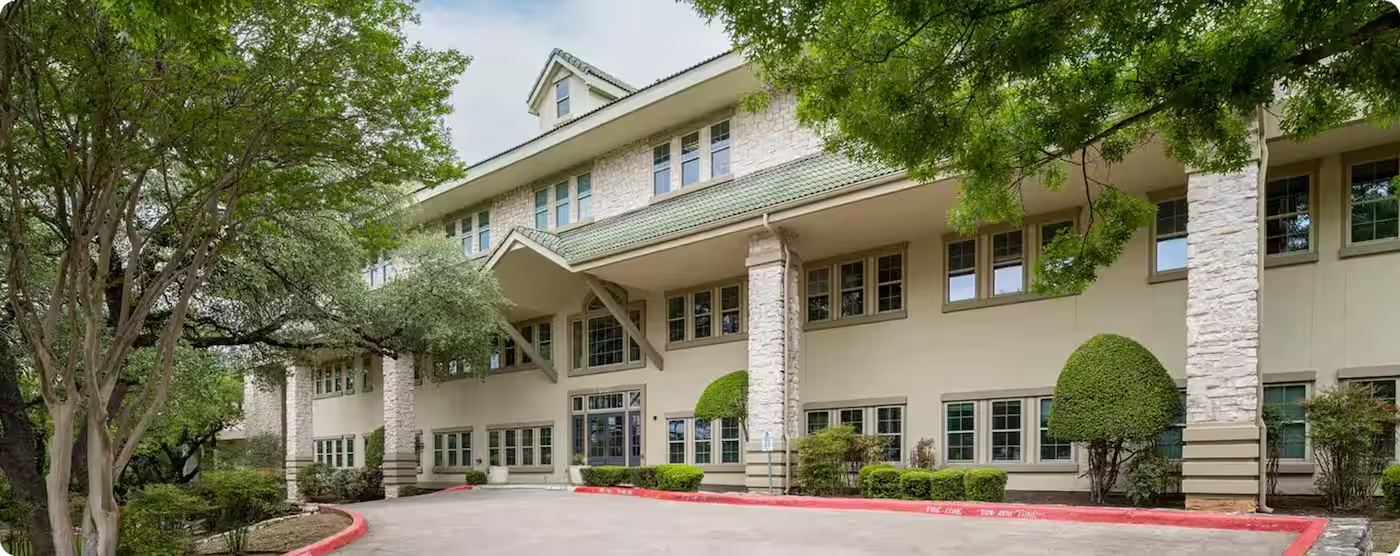
11211 Taylor Draper Lane Suite 1 Austin, TX 78759
Tel: (512) 371-9000
Hours:
Monday - Thursday
9:00 AM - 6:00 PM
Friday
9:00 AM - 5:00 PM
Ready to Talk About Your B-2 Visitor Visa?
Your U.S. visit deserves a careful plan before the interview, before travel is booked, and before deadlines get close. If you need a B-2 visa lawyer to review your travel purpose, documents, prior visa history, or I-94 concerns, contact Nanthaveth & Associates.
Call us or fill out the form below. We will contact you within one business day, but often sooner.

Frequently Asked Questions
What documents may help a B-2 visa application?
Helpful records may include travel plans, proof of employment, approved leave, bank statements, property records, school records, business ownership documents, family ties abroad, medical records, prior visa records, and I-94 records.
How long can you stay on a B-2 visitor visa?
A visa allows a traveler to ask for admission to the United States. It does not control the length of stay. After entry, the I-94 Admit Until Date controls how long the visitor may remain in the U.S., not the visa expiration date.
What can lead to a B-2 visa denial?
A B-2 visa may be denied if the applicant does not show enough reason to return home. Common issues include weak home-country ties, unclear travel plans, limited funds, inconsistent DS-160 answers, prior overstays, or past denials with no changed facts. Strong return-home evidence may include property ownership, active employment, approved leave, business ownership, school enrollment, close family abroad, financial records, and proof of on-time past travel.
Can an invitation letter guarantee a B-2 visa?
No. An invitation letter can help explain the trip, but it does not guarantee approval. The applicant still has to prove the trip is temporary and that they plan to return home. A U.S. host letter should support the case, not replace the applicant’s own proof.
Can you work or study on a B-2 visa?
No. A B-2 visa does not allow employment or full-time study in the United States. A short recreational class may be allowed if it is not for academic credit. Work, paid performances, degree study, and long-term relocation require a different immigration path.
Can you extend a B-2 visitor visa stay?
Some B-2 visitors may ask USCIS for more time by filing Form I-539 before their authorized stay expires. The request should explain why additional time is needed, demonstrate that the stay remains temporary, and include proof that the visitor can pay for the extended stay.
Can you use a B-2 visa for medical treatment?
Yes. A B-2 visa may be used for medical treatment in the United States. Medical travel usually requires stronger documentation, such as a diagnosis, a treatment plan, an estimated cost, the expected treatment duration, and proof that the applicant can cover medical and living expenses.